Lake Living Comes With Unique Inspection Considerations
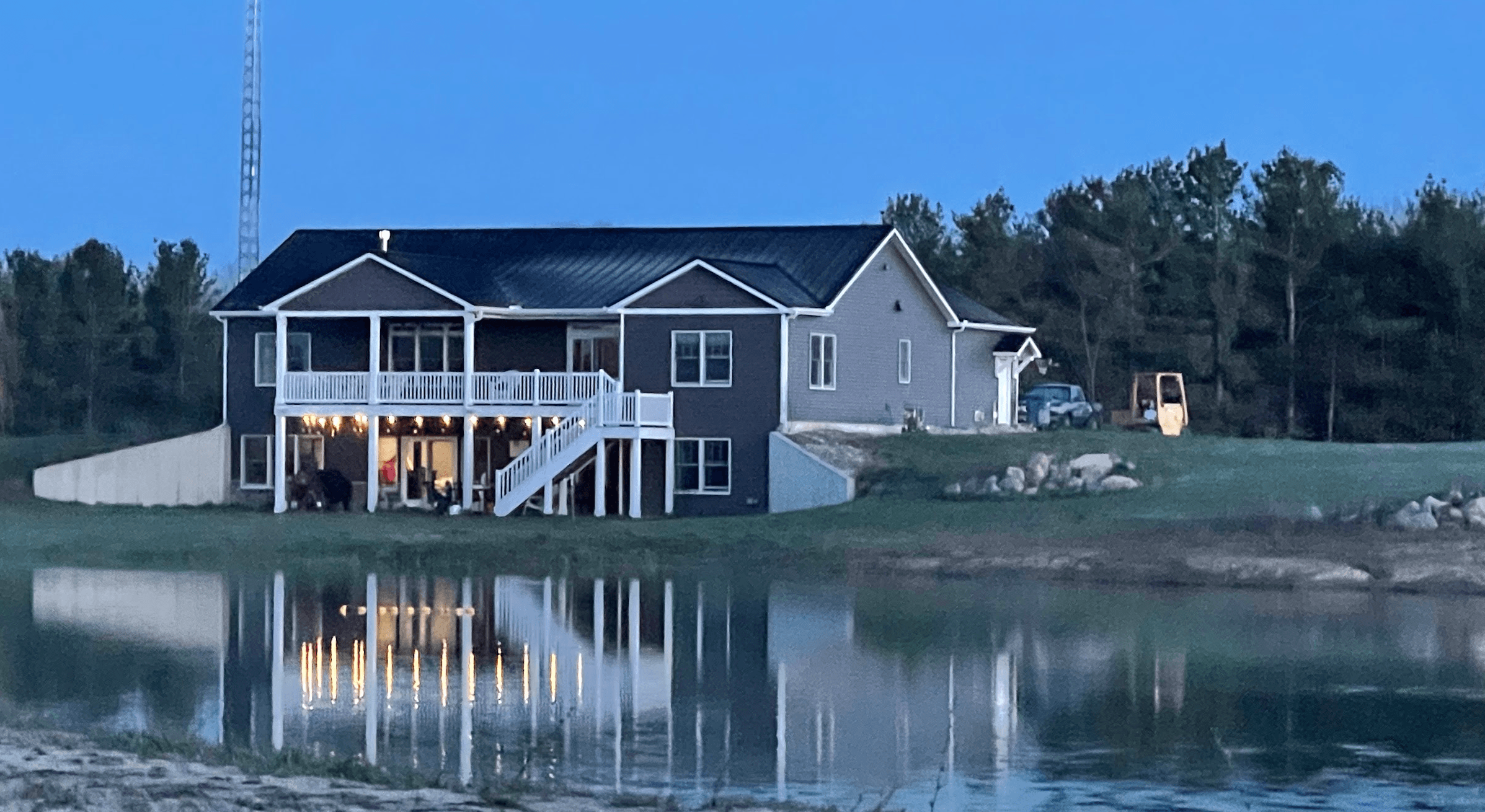
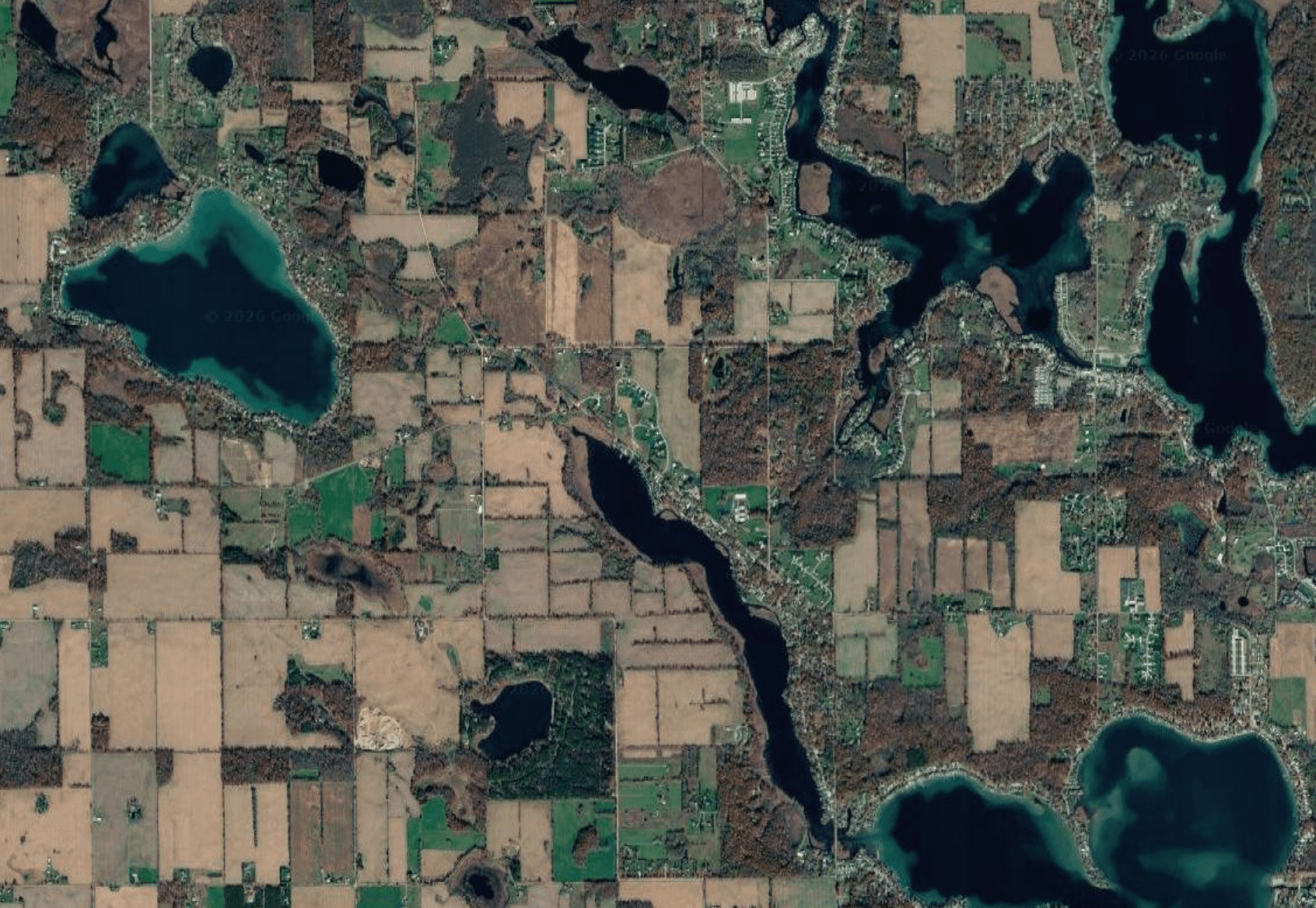
Steuben County is home to over 100 natural lakes — more than nearly any other county in Indiana. From Clear Lake and Lake James to Sylvan Lake and the lakes around Rome City, waterfront properties are a major part of the local real estate market. Whether you are looking for a year-round residence or a seasonal retreat, buying on the water is an exciting prospect.
But lakefront homes are not standard homes. Proximity to water creates a distinct set of conditions that affect foundations, moisture levels, septic systems, and more. A thorough inspection is essential, and knowing what to look for can save you from costly surprises.
At AP Inspections, we inspect lakefront properties throughout Steuben County and northeast Indiana. Here are the critical areas to pay attention to when buying a home on the water.
Moisture and Water Intrusion
This is the number one concern with any lakefront property. Homes near water are exposed to higher humidity, fluctuating water tables, and seasonal water level changes that inland homes simply do not experience.
What to Look For
- Basement moisture — Water stains, efflorescence (white mineral deposits on concrete), musty odors, and active seepage are all red flags. Many lakefront homes have walk-out basements that sit partially below the water table during wet seasons.
- Crawl space conditions — Standing water, excessive humidity, and deteriorating vapor barriers are common in lakefront crawl spaces. These conditions can lead to mold growth and structural damage over time.
- Mold and mildew — Prolonged moisture exposure creates ideal conditions for mold. Look for visible growth on walls, ceilings, and around windows, especially in lower levels.
- Sump pump systems — Most lakefront homes need a reliable sump pump, and many need a backup. We check that sump pumps are present, operational, and appropriately sized for the conditions.
Why It Matters
Uncontrolled moisture leads to structural deterioration, mold growth, poor indoor air quality, and expensive remediation. Catching these issues during the inspection gives you leverage to negotiate repairs or walk away before they become your problem.
Foundation and Structural Concerns
Lakefront lots often have challenging soil conditions. The proximity to water means the soil stays saturated longer, which affects how foundations perform over time.
Common Findings
- Settlement and shifting — Saturated soils provide less support than dry soils. Foundations on lakefront lots are more prone to uneven settling.
- Retaining walls — Many lake properties use retaining walls to manage the slope between the home and the waterline. These walls can lean, crack, or fail over time, especially if drainage behind them is inadequate.
- Erosion — The shoreline itself can erode, gradually reducing the distance between the water and the home. Look for signs of active erosion, including exposed roots, undermined structures, and shifting soil.
- Pier and dock foundations — If the property includes a dock or pier, check the condition of the supports and their connection to the shore. Seasonal ice movement on Indiana lakes can damage dock structures.
Septic Systems
Many lakefront homes in Steuben County are not connected to municipal sewer systems. They rely on private septic systems, which require special attention near water.
What You Need to Know
- Setback requirements — Indiana has specific regulations about how far a septic system must be from a lake or waterway. Older systems may not meet current standards.
- System condition — A septic inspection by a licensed specialist is strongly recommended for any lakefront purchase. This is separate from a standard home inspection and involves locating the tank, checking for signs of failure, and evaluating the drain field.
- Drain field performance — Saturated soils near lakes can compromise drain field function. If the soil does not drain properly, the system cannot process waste effectively.
- Age and maintenance history — Ask the seller for pumping records and any maintenance documentation. A well-maintained system can last decades; a neglected one can fail in years.
We always recommend a dedicated septic evaluation for lakefront purchases and can refer you to qualified specialists in the area.
Well Water
Like septic systems, private wells are common on lakefront properties outside of town limits. Well water near lakes has specific concerns.
Key Inspection Points
- Water quality testing — Test for bacteria, nitrates, and any contaminants common in the area. Proximity to a lake and septic systems in the neighborhood can affect water quality.
- Well condition — Check the well cap, casing, and visible components. The well should be properly sealed to prevent surface water from entering.
- Flow rate — Ensure the well produces adequate water volume for the home's needs, especially if the home has multiple bathrooms, irrigation, or will be used for entertaining.
Flood Zones and Insurance
Not every lakefront property sits in a designated flood zone, but many do. This has significant financial implications.
What to Check
- FEMA flood maps — Determine whether the property is in a designated flood zone. Your real estate agent or lender can help with this, and the information is available through FEMA's online tools.
- Flood insurance requirements — If the property is in a flood zone, your lender will require flood insurance, which is an additional cost beyond standard homeowner's insurance. Premiums vary significantly based on the zone designation and the home's elevation relative to the flood plain.
- Flood history — Ask the seller and neighbors about past flooding events. Some lakefront properties in Steuben County have experienced periodic flooding, and this history may not always appear on disclosure forms.
Seasonal and Vacation Home Concerns
Many lake homes in Steuben County started as seasonal cottages and were gradually converted to year-round use. Others are still used only part of the year. Both situations create specific inspection considerations.
Winterization
- Plumbing — Homes that sit empty during winter must be properly winterized to prevent frozen and burst pipes. Check for signs of previous freeze damage, including repaired pipe joints, water stains, and patched drywall.
- Heating systems — A home used only in summer may have an undersized or outdated heating system. If you plan to use the home year-round, ensure the HVAC system is adequate for northeast Indiana winters.
- Insulation — Seasonal cottages were often built with minimal insulation. Converting to year-round use may require upgrading insulation in walls, attics, and crawl spaces to meet current energy standards and prevent ice dams.
Construction Quality
Some lake homes were originally built as summer cabins with lighter construction standards. Look for:
- Foundation type — Pier foundations and slab-on-grade are common in older lake cottages. These may be adequate but warrant careful inspection.
- Additions and conversions — Many lake homes have been expanded over the decades. Check that additions were properly permitted and constructed, with adequate foundations and connections to the original structure.
- Electrical capacity — A home originally built with 60-amp service may have been upgraded, but verify that the electrical system supports modern demands, including air conditioning, appliances, and electronics.
What About Docks, Seawalls, and Outbuildings?
Lakefront properties often include structures beyond the main home. While not all of these fall within the scope of a standard home inspection, we note their visible condition and recommend further evaluation when appropriate.
- Docks and piers — Condition of decking, supports, and connections. Ice damage is common on Indiana lakes.
- Seawalls and riprap — Condition and effectiveness of shoreline protection
- Boathouses and storage buildings — Structural condition, electrical service, and foundation integrity
- Detached garages — Especially common on older lake properties where the garage was added separately
Inspecting a Lakefront Home the Right Way
A lakefront home inspection requires an inspector who understands the specific challenges that come with waterfront property. Generic checklists miss the nuances that matter most — moisture patterns, soil conditions, septic proximity, and the unique construction history of lake homes in this part of Indiana.
At AP Inspections, we are AHI certified and licensed in Indiana. We inspect lakefront homes throughout Steuben County, including properties on Clear Lake, Lake James, Sylvan Lake, Lake Gage, and the many smaller lakes in the area. We deliver same-day detailed reports with photos and clear explanations of every finding.
Whether you are buying a year-round home on the water or a weekend getaway near Rome City, we will make sure you understand exactly what you are purchasing.
Considering a lakefront property in Steuben County? Call AP Inspections at (260) 668-6848 or schedule your inspection online.