A Clear Walkthrough of Inspection Day
If you have never been through a home inspection before, the unknown can feel a little stressful. What does the inspector actually do? How long does it take? Do you need to be there? What happens afterward?
At AP Inspections, we understand that the inspection process can feel unfamiliar — especially for first-time buyers. This guide walks you through exactly what happens before, during, and after your inspection so there are no surprises.
Before the Inspector Arrives
Once your inspection is scheduled, a few things happen behind the scenes.
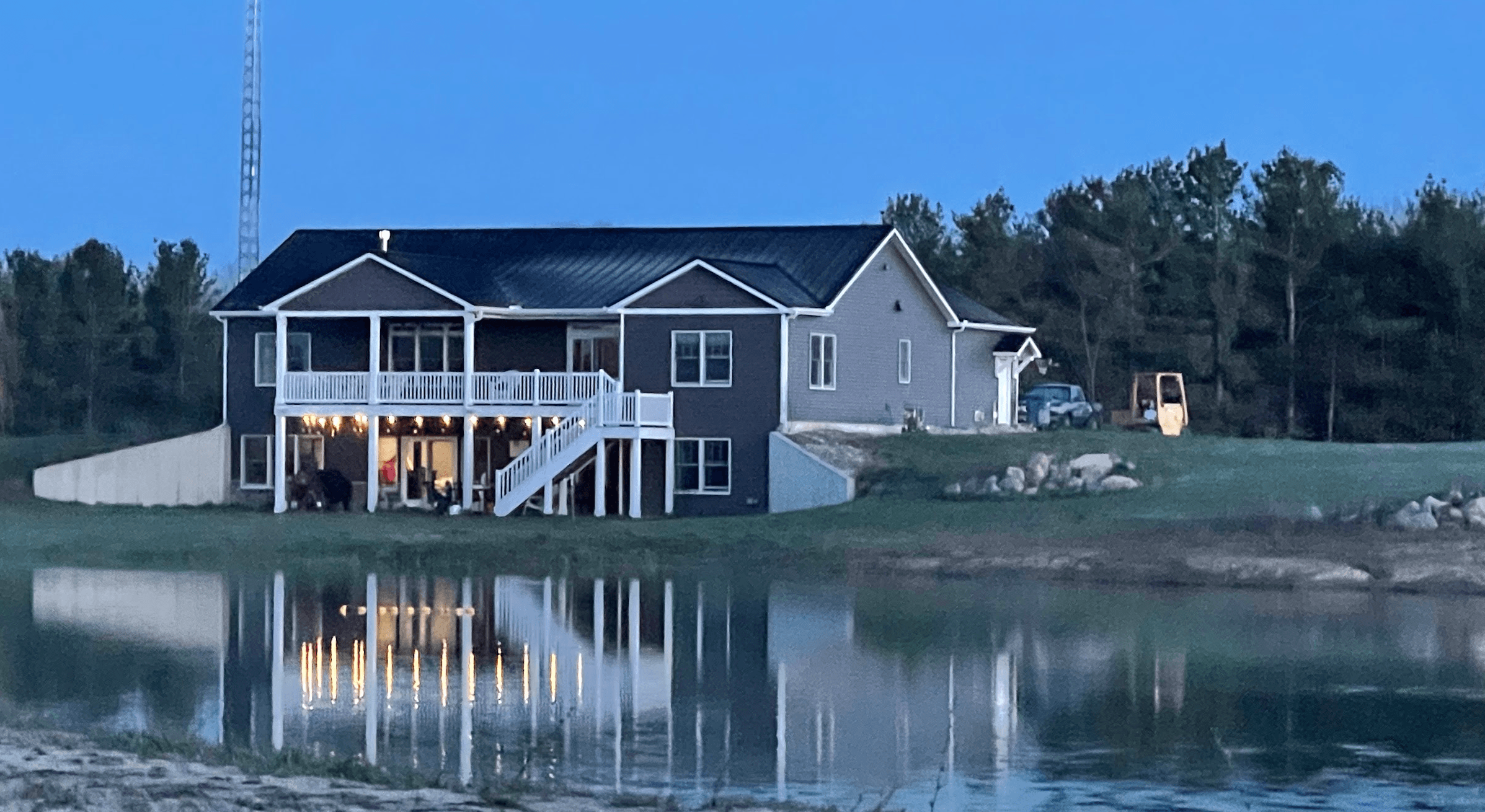
Your inspector reviews the property listing to understand the home's size, age, and general characteristics. This helps us plan our approach and allocate the right amount of time. A 900-square-foot ranch in Waterloo is a different job than a 3,000-square-foot lakefront home on Clear Lake.
What you should do: Wear comfortable, closed-toe shoes and clothing you do not mind getting dusty. You may be walking through basements, crawl spaces, and around the exterior. If it is winter in northeast Indiana — and you know how that goes — bring a warm layer.
Arriving at the Property
The inspection typically begins at the scheduled time, and we start from the outside.
Exterior Walkthrough
The inspector evaluates the home's exterior first, including:
- Roof — shingle condition, flashing, gutters, and downspouts. We use ladders or drones depending on roof access and conditions.
- Siding and trim — damage, rot, or deterioration
- Foundation — visible cracks, settling, or water intrusion signs
- Grading and drainage — how water moves away from the house
- Driveways, walkways, and porches — trip hazards and structural condition
- Exterior electrical — service entrance, meter base, and outdoor outlets
This portion takes roughly 30 to 45 minutes depending on the size of the property and the number of outbuildings.
Moving Inside
Once the exterior is complete, we move inside and work through the home systematically — usually from the lowest level to the highest.
Basement or crawl space comes first. We look for moisture, foundation concerns, structural supports, plumbing, and the condition of any exposed systems. Many homes in Angola, Kendallville, and Garrett have older basements that tell a lot about the home's history.
Main living areas are next. We inspect walls, ceilings, floors, windows, and doors throughout every room. We test outlets, check for proper GFCI protection in kitchens and bathrooms, and look for signs of water damage or structural movement.
Kitchen and bathrooms get extra attention. We run water, check under sinks for leaks, test the garbage disposal, evaluate ventilation, and look for signs of moisture problems.
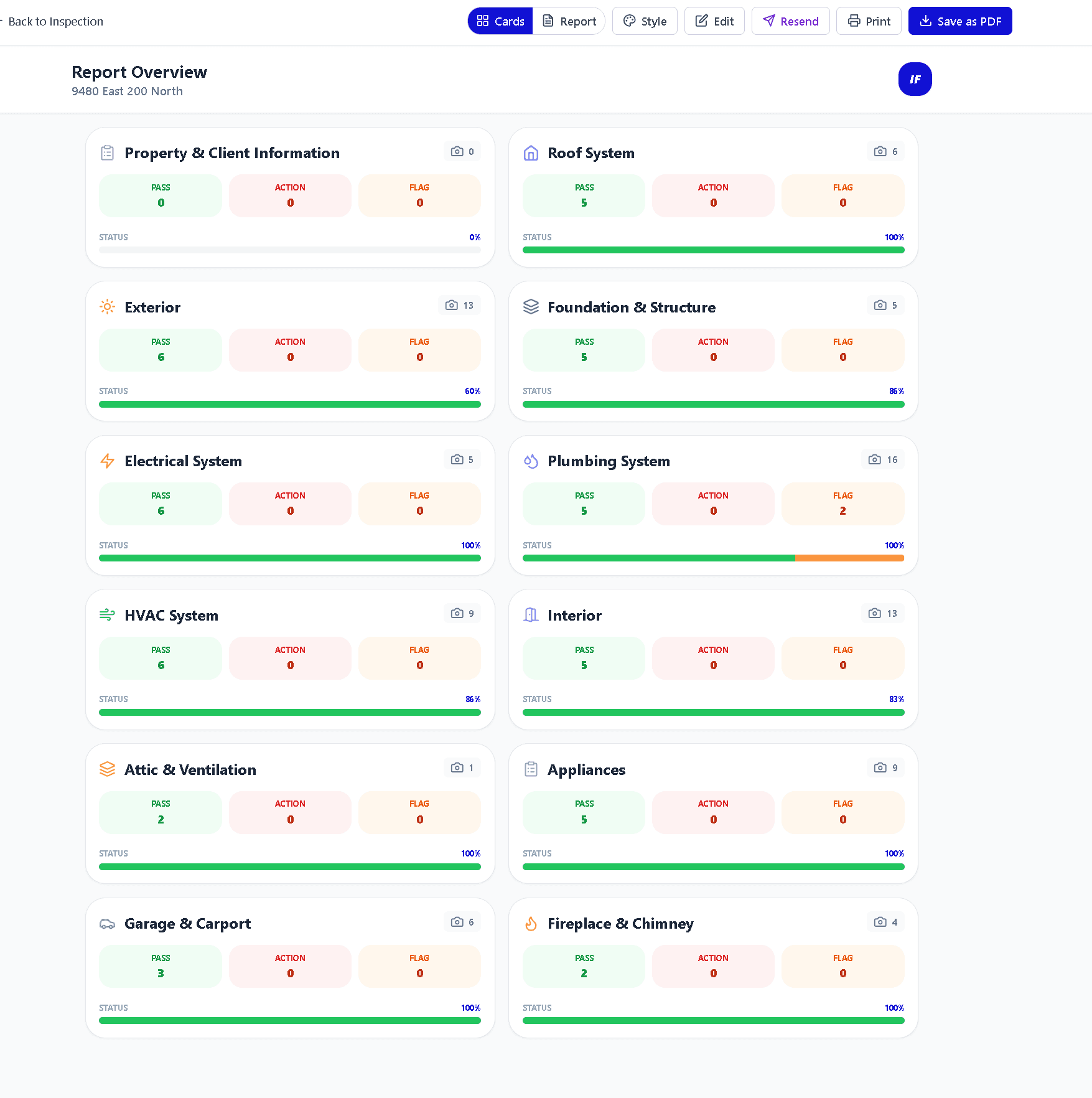
HVAC system — we inspect the furnace, air conditioning unit, ductwork, thermostat, and filters. We check the age and general condition of the equipment and note anything that may need attention.
Electrical panel — we open the panel cover and evaluate the wiring, breaker condition, labeling, and capacity. Older homes in the region sometimes have outdated panels or wiring that buyers should know about.
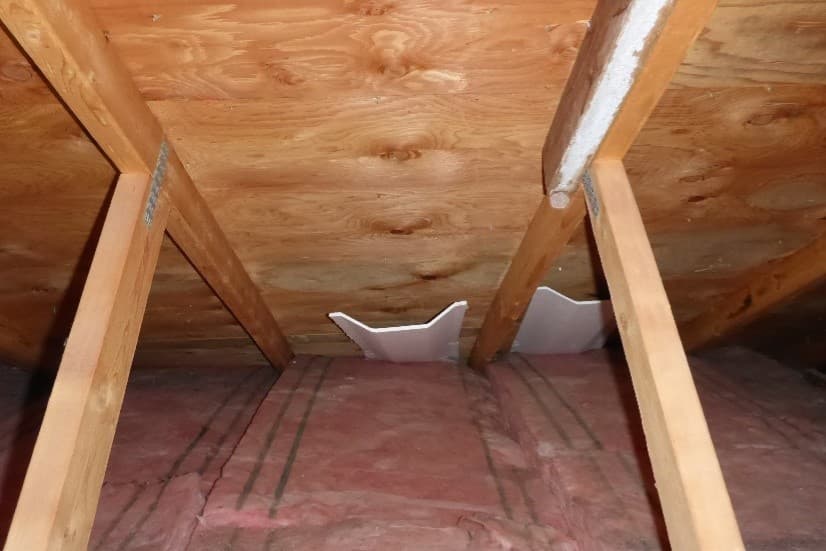
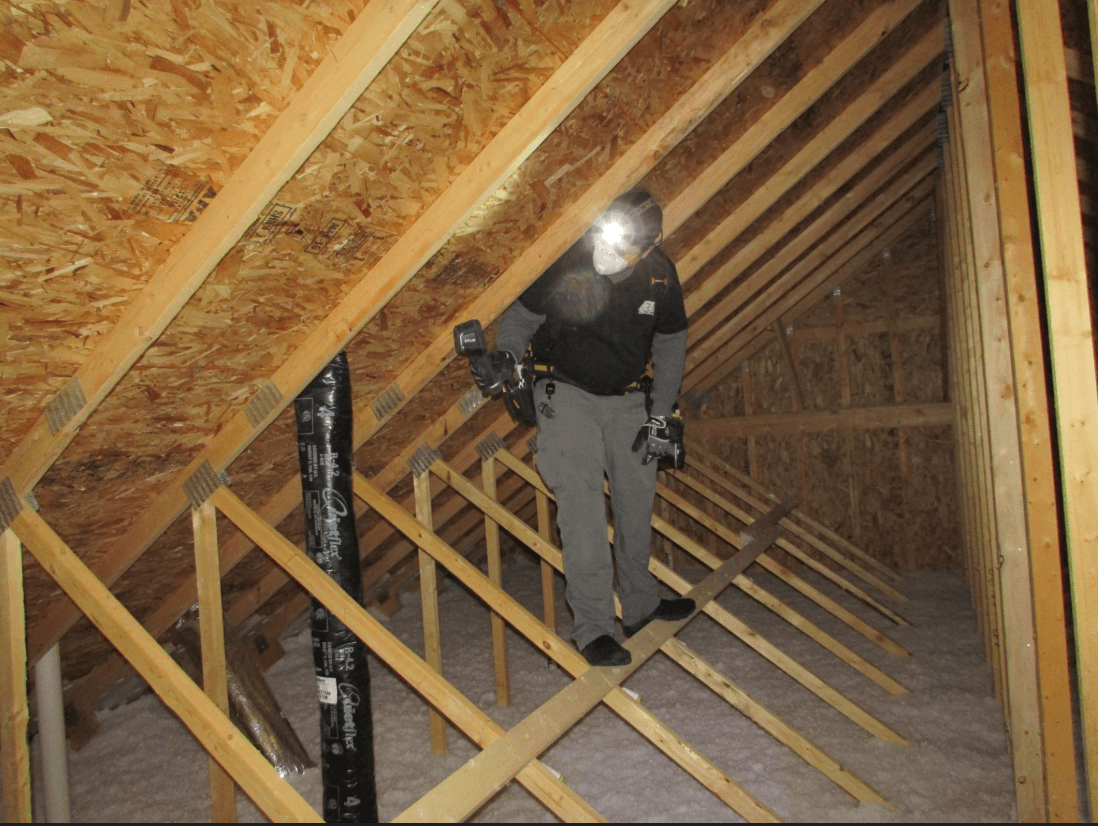
Attic — if accessible, we check insulation levels, ventilation, roof sheathing condition, and visible framing. We also look for signs of leaks, pests, or previous repairs.
How Long Does It Take?
A typical single-family home inspection takes 2 to 3 hours. The actual time depends on several factors:
| Factor | Effect on Time | |--------|---------------| | Home size | Larger homes take longer | | Age of home | Older homes often have more to evaluate | | Condition | Homes with more issues require more documentation | | Accessibility | Cluttered areas or locked rooms may limit inspection | | Outbuildings | Garages, sheds, and barns add time |
A small ranch home might take closer to 2 hours. A large, older home with a detached garage and outbuildings could take 3 hours or more. We take the time the home requires — we never rush through an inspection to stay on schedule.
Should You Be There?
Yes. We strongly encourage every buyer to attend. Here is why:
Walking through the home with your inspector is the single best way to understand the property. You will see issues in context, hear explanations in real time, and have the chance to ask questions that matter to you specifically.
At AP Inspections, we treat the inspection as a learning experience. We explain what we are seeing, why it matters, and what you might want to do about it. By the end, you will know more about your potential home than most homeowners know about the house they have lived in for years.
If you absolutely cannot attend, that is fine — our reports are detailed enough to stand on their own. But being there in person is always better.
What We Do Not Inspect
A standard home inspection is a visual, non-invasive evaluation. There are some things that fall outside the scope:
- Behind walls — we do not cut into drywall or remove finishes
- Underground utilities — sewer lines, buried oil tanks, and underground drainage
- Well and septic systems — these require separate, specialized inspections
- Mold testing — we note visible mold-like substances but do not test or identify species
- Radon — available as a separate add-on test
- Pests — termite and pest inspections are handled by licensed pest control companies
If we see something during the inspection that suggests a hidden problem, we will recommend the appropriate specialist. This is a normal part of the process and a sign that your inspector is being thorough.
After the Inspection: Your Report
This is where everything comes together.
At AP Inspections, we deliver same-day detailed reports — typically within a few hours of completing the inspection. You will not be waiting days to find out what we found.
What the Report Includes
- Color photos of every significant finding
- Clear descriptions written in plain language, not inspector jargon
- Categorized findings so you can quickly identify safety concerns, major defects, and maintenance items
- Recommendations for repairs or further evaluation where appropriate
The report is delivered digitally, so you can review it on your phone, tablet, or computer and easily share it with your real estate agent, attorney, or family.
How to Use the Report
Your report is a tool for decision-making. Work with your real estate agent to determine which findings are worth negotiating on, which are routine maintenance, and which might need a specialist estimate.
Keep in mind that no home is perfect. Even new construction has findings. The goal is not a clean report — it is a clear understanding of the home's current condition.
What Makes a Good Inspector?
Not all inspections are created equal. When choosing an inspector, look for:
- Certification and licensing — In Indiana, home inspectors must be licensed. Professional certifications like AHI demonstrate additional commitment to standards and education.
- Experience in the area — An inspector familiar with northeast Indiana homes understands the common issues in this region, from older foundations in Garrett to lakefront concerns in Steuben County.
- Clear communication — Your inspector should explain findings in a way you can understand, not bury you in technical language.
- Thorough reporting — Same-day delivery with photos and clear descriptions is the standard you should expect.
At AP Inspections, we are AHI certified and licensed in Indiana. We have inspected homes throughout Steuben, Noble, DeKalb, and LaGrange counties — from century-old farmhouses in Albion to new builds in Auburn.
The Inspection Is on Your Side
The most important thing to remember is this: the home inspection exists to protect you. It is not a formality, and it is not something to dread. It is your opportunity to make an informed decision about one of the biggest purchases of your life.
A good inspection should leave you feeling educated and confident, regardless of what the report says. Whether the news is great or the report identifies significant concerns, you will be making your decision with full information — and that is always better than guessing.
Ready to schedule your home inspection? Call AP Inspections at (260) 668-6848 or book online. We serve Angola and surrounding communities throughout northeast Indiana.